
Technology
Measles in Wisconsin, 2nd pediatric death reported in Grant County
By Marcus Chen
Advertisement · Why this ad?
Marcus manages the day-to-day editorial workflow across all brands, coordinating coverage assignments and ensuring editorial standards are met. He previously served as city editor at the Pioneer Press and holds a degree in Political Science from Carleton College.
More from Marcus →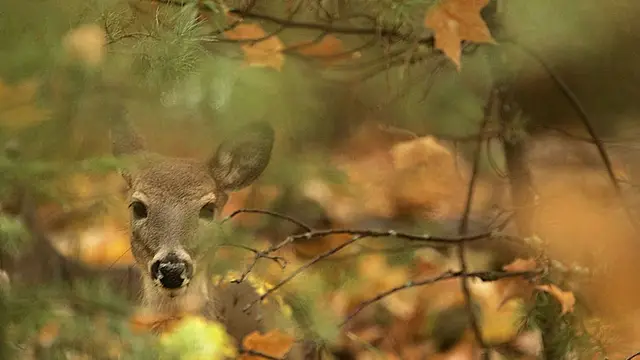
Every year, the Wisconsin Department of Natural Resources (DNR) encourages hunters to participate in the Deer Donation Program, which helps stock food pantries and supports residents in need across the state. Since its inception in 2000, more than 100,000 deer have been donated, totaling over 4 million pounds of ground venison. This year, the DNR is particularly urging hunters to take part in the program, emphasizing its dual benefits of supporting communities and managing deer populations.
The Deer Donation Program was born out of a need to address both food insecurity and deer population management. In the late 1990s, Wisconsin faced growing concerns about hunger within the state, while simultaneously dealing with localized deer overpopulation issues. The DNR recognized an opportunity to combine these challenges into a single, beneficial program. Initially, logistical hurdles were significant, including transportation, processing, and ensuring the safety and quality of the donated meat. Early partnerships with local meat processors were crucial in overcoming these challenges. Over the years, the program has expanded its reach, now serving food pantries and charities across Wisconsin. The impact extends beyond simply providing meat; it represents a tangible demonstration of community support and a commitment to addressing hunger.
The upcoming gun deer season, which runs from November 21 to November 29, presents unique challenges. Steve Burns, a deer program specialist with the DNR, noted that the season is beginning later than usual and in warmer conditions. This late start and warm weather may hinder hunting efforts, mirroring difficulties experienced last year. Although snow over the Thanksgiving weekend provided hunters with better visibility last year, this year’s lack of snow cover and above-normal temperatures pose a hurdle.
“The silver lining in that is that (in) a warmer gun season, hunters may be able to spend increased time in the field,” Burns said. As of November 11, the DNR had sold 278,059 gun licenses, on par with the five-year average. Last year, more than 550,000 hunters bought gun deer licenses, a slight decrease from around 553,000 sold in 2024. Hunters registered 182,084 deer, a decrease of 1.5 percent from the five-year average. Wisconsin is estimated to have close to 2 million deer heading into the nine-day gun deer season.
The gun deer season isn’t just a hunting tradition; it’s a significant driver of Wisconsin’s economy. The 2011 report highlighting the $2.5 billion in state spending underscores the far-reaching impact, encompassing everything from sporting goods sales and lodging to restaurant meals and transportation. Local businesses in rural communities, particularly those reliant on tourism and outdoor recreation, often see a substantial boost during this period. The influx of hunters brings revenue to small towns and supports jobs across various sectors. The DNR recognizes this economic importance and works to ensure a sustainable hunting experience that benefits both the environment and the state's economy.
The Deer Donation Program addresses a significant need within the state. According to data from the Wisconsin Department of Health Services, almost 900,000 Wisconsin residents (about 15% of the state’s population) received food assistance at least once in 2025. Community pantries throughout the state have seen a rise in demand for food assistance, particularly for nutritious options like lean meat. Marcus Rufledt, the Deer Donation Program Manager, highlighted the program's importance: 'This program offers communities a great opportunity to both help manage local deer populations and provide families in need with quality lean meat.'
The rise in food assistance requests isn't just a statistic; it represents real families struggling to make ends meet. Food pantries across Wisconsin are reporting increased traffic and dwindling supplies. The donated venison provides a critical source of protein for these families, helping to alleviate the burden of food costs and ensuring access to nutritious meals. Many pantries have waiting lists, and the Deer Donation Program’s contribution is often a lifeline for those in need. The program’s success hinges on the continued generosity of hunters and the logistical support of processing facilities.
Venison is an exceptionally lean and healthy meat, making it an ideal choice for food pantries seeking to provide nutritious options. It’s low in fat and cholesterol and high in protein, iron, and other essential nutrients. This makes it particularly valuable for individuals with dietary restrictions or health concerns. The Deer Donation Program not only addresses hunger but also contributes to improved health outcomes for recipients.
As hunters head into the woods, safety remains a top priority. Renee Thok, a Recreation Warden with the DNR, reminded hunters to follow basic rules of firearm safety and inspect tree stands. She also advised hunters to wear blaze orange or fluorescent pink to remain visible. Thok emphasized that anyone engaging in outdoor activities in areas where they could encounter hunters should also wear high-visibility clothing, including pets.
“We also want to make sure that they are aware and should consider wearing blaze orange or fluorescent pink themselves, so that way they are highly visible to others,” Thok said. “It’s also a good idea to put that on your pets as well.”
While hunting is a cherished tradition in Wisconsin, it’s crucial to prioritize safety and prevent accidents. The DNR tracks hunting incidents closely, and while numbers have generally trended down over the last decade, any incident is a reminder of the importance of responsible firearm handling. The tragic incident in Fond du Lac County last year serves as a stark reminder of the potential dangers. The DNR’s focus on education and enforcement aims to minimize risks and ensure a safe hunting experience for everyone.
The DNR is also focusing on monitoring and managing chronic wasting disease (CWD). Erin Larson, the agency’s deer herd health specialist, urged hunters to submit samples through self-service kiosks or private businesses listed on the DNR’s website. The DNR is projecting around 17,000 samples this year and is especially interested in samples from central and northern Wisconsin. The DNR has sampled over 356,000 deer since the agency began monitoring for the disease more than two decades ago, with around 16,800 deer testing positive, mostly in the state’s southern farmland zone.
Due to budget constraints, fewer deer dumpsters will be available this year. Hunters are urged to review disposal options, including using deer dumpsters, landfills, transfer stations, or curbside pickup if offered by their municipalities. “Those recommendations are in place just to reduce the risk of bringing a positive carcass to a new location, where then it could introduce disease,” Larson said.
The detection of CWD in Marinette County highlights the ongoing challenge of containing the disease. While the DNR has implemented various management strategies, including targeted testing and restrictions on deer movement, the disease continues to spread. Understanding the transmission routes and developing effective prevention measures remain priorities for the agency. Hunters play a crucial role in this effort by submitting samples and following proper carcass disposal guidelines.
The reports of dead deer tied to the Epizootic Hemorrhagic Disease (EHD) outbreak in southeastern Wisconsin underscore the impact of disease on deer populations. While EHD doesn’t pose a risk to humans, it can cause significant mortality in deer herds. The DNR’s ongoing review of data from suspected cases is vital for understanding the extent and impact of the outbreak and informing future management decisions. The agency's decision not to reduce harvest opportunities reflects a careful assessment of the situation and a commitment to sustainable deer management.
The DNR encourages all hunters to participate in the Deer Donation Program and follow safety guidelines. The program is a testament to the collaborative spirit of Wisconsin communities, providing quality, nutritious meat to families in need while also contributing to deer population management. Last month, the DNR reported the first positive detection of CWD in a wild deer in Marinette County near Peshtigo.
The Deer Donation Program embodies the best of Wisconsin – a commitment to community support and responsible resource management. Participating in this program isn't just about donating a deer; it's about contributing to the well-being of our neighbors and ensuring that everyone has access to nutritious food. As hunters prepare for the season, I urge them to consider the impact of their actions and embrace the opportunity to make a tangible difference in the lives of others. It’s a reminder that even amidst challenges like disease outbreaks and changing weather patterns, we can come together to support one another and build a stronger, more resilient Wisconsin.
For more information on the Deer Donation Program and other hunting regulations, visit the Wisconsin DNR website.
By Marcus Chen

By Katherine Langford
By Marcus Chen

By Katherine Langford