
Health
Wisconsin reports first measles death in 36 years after infant dies
By Marcus Chen
Advertisement · Why this ad?
Katherine oversees editorial operations across all six brands. Before joining The Meridan Group, she spent 14 years at the Minneapolis Star Tribune, where she led the metro desk through its digital transformation. She holds a Master's in Journalism from Northwestern's Medill School.
More from Katherine →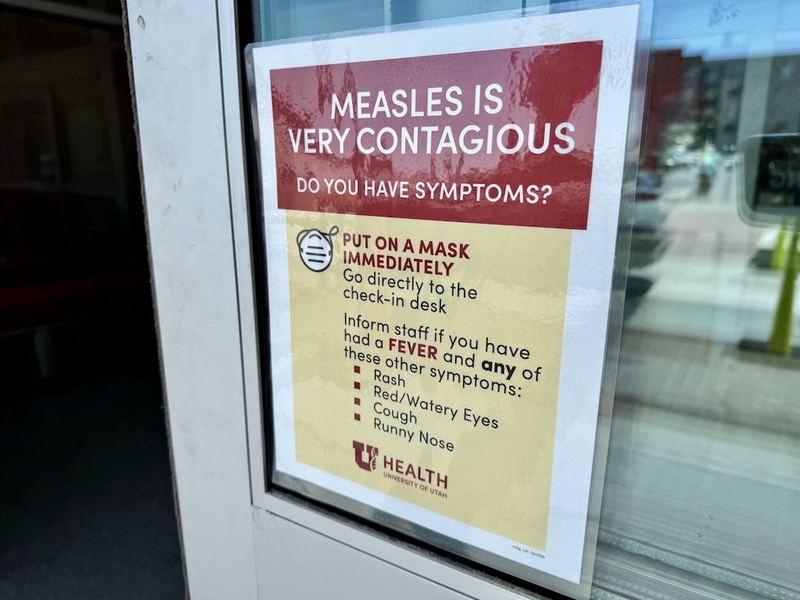
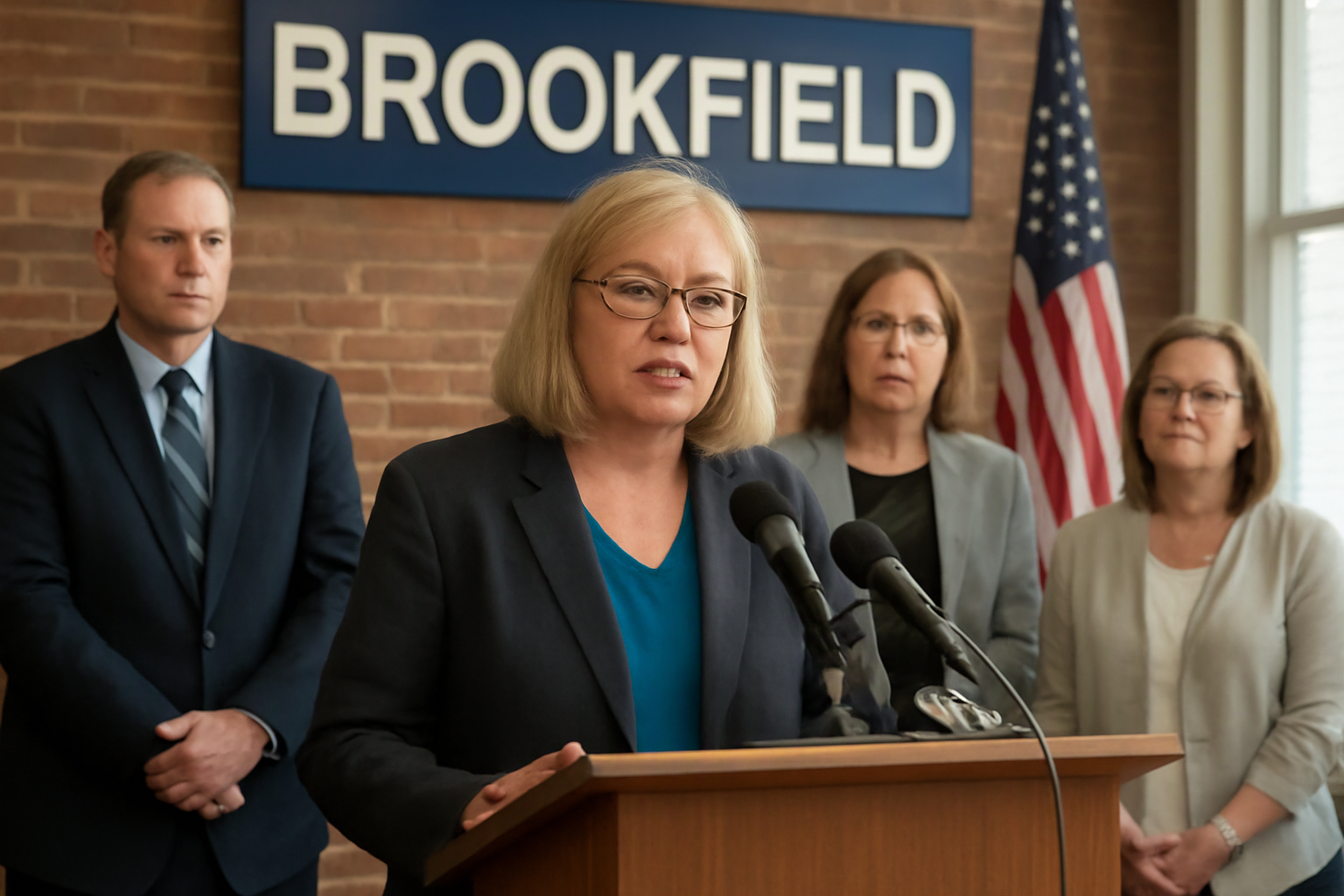
The sudden loss of an infant to measles, the first such death in Wisconsin since 1990, casts a stark light on the state’s escalating public health crisis. The Wisconsin Department of Health Services DHS reported the tragic death Thursday, coinciding with the revelation that Wisconsin is experiencing its largest measles outbreak in over three and a half decades. While details surrounding the death remain private to protect the family’s grief, the event underscores the severity of a disease once largely eradicated through vaccination, and serves as a sobering reminder of the fragility of health and the importance of community responsibility. Dr. Ryan Westergaard, chief medical officer for the Wisconsin Department of Health Services, addressed reporters, stating that the state has recorded 431 measles cases across 13 counties, a figure he cautioned is likely an underestimation.
The measles outbreak in Wisconsin began to accelerate in 2026, with 36 cases reported last year alone, a dramatic increase from the typical zero or one case per year in the preceding decade. According to Dr. Westergaard, the current 431 cases represent “almost certainly an underestimate,” as many infected individuals may not seek testing or medical attention. Nine individuals have been hospitalized due to measles complications, highlighting the potential for serious illness. The Wisconsin Policy Forum Wisconsin Policy Forum Thursday detailing the concerning trend of declining immunization rates among Wisconsin schoolchildren, with only 87.4% meeting minimum requirements for the 2025-26 school year. This figure, while slightly higher than the previous year, remains significantly below the level needed for population-wide protection against outbreaks. The report attributes this decline to a combination of factors including increased required vaccinations, lingering concerns related to the COVID-19 pandemic and its vaccines, and a rise in families seeking exemptions from school vaccination requirements.
The MMR vaccine, protecting against measles, mumps, and rubella, is highly effective, with approximately 97% protection when administered in two doses. However, achieving herd immunity—the threshold where 95% of the population is vaccinated—requires widespread participation. Currently, Wisconsin’s vaccination rate stands at 85% for kindergarten-age children, falling short of the national average of 92%. Dr. Stephanie Schauer, Wisconsin immunization program manager, emphasized the importance of community awareness regarding vaccination rates, urging families to check rates at their schools and within their local areas. Health officials are recommending that individuals who have not been vaccinated against measles receive the MMR vaccine promptly. Since August, healthcare providers have administered approximately 42,000 doses of the vaccine statewide, with about 500 to 600 infants aged 6 to 11 months receiving an early dose when deemed at increased risk of exposure.
Measles typically begins with a fever, cough, runny nose and red eyes, with its telltale symptom, a red rash over the body, showing up several days later. It is not simply a childhood illness, Westergaard said. It can cause pneumonia, inflammation of the brain, permanent disability and death. Measles is also extraordinarily contagious. The airborne virus can remain in a room for as long as two hours after an infected person leaves. When a person who’s not immune is exposed, “there’s a very high likelihood they’ll become infected,” Westergaard said.
DHS Secretary Kirsten Johnson expressed profound sorrow regarding the infant’s death, stating, “Any death of a child is a tragedy and even more so when it is related to a vaccine-preventable disease.” She urged Wisconsinites to evaluate their risk and take steps to protect themselves and their families. Local news outlets, including Wisconsin Public Radio WPR and the Wisconsin Examiner, have extensively covered the outbreak, emphasizing the need for increased vaccination rates and awareness. The Wisconsin Policy Forum’s report has also sparked discussion about the underlying factors contributing to declining immunization rates and potential solutions to address the issue.
Recognizing that financial barriers can hinder access to vaccines, state officials are highlighting the Vaccines for Children program, which provides free vaccines to families with inadequate or no insurance. Dr. Schauer underscored the need to ensure all children have access to these vital immunizations, emphasizing that more outreach is needed to inform families about available resources. This program is a testament to the state’s commitment to ensuring that every child has the opportunity to be protected from preventable diseases.
Moving forward, the Wisconsin Department of Health Services is focused on several key strategies to combat the measles outbreak. These include continued efforts to increase MMR vaccination rates, targeting students who are behind on their vaccine schedules, and reducing the number of personal conviction waivers that exempt children from school vaccination requirements. Rebuilding public trust in vaccines remains a crucial priority, requiring transparent communication and addressing concerns surrounding vaccine safety and efficacy. The state’s healthcare providers are actively engaged in administering vaccines and educating patients about the importance of immunization. The Wisconsin Department of Public Instruction DPI will also be working with schools to ensure compliance with immunization requirements and to promote vaccination awareness among students and families.
The tragic death of an infant due to measles is a stark reminder of the vulnerabilities within our community, particularly when we abandon the protections that science and public health provide. It’s easy to become complacent when diseases we once feared are seemingly eradicated, but this outbreak demonstrates that complacency carries a profound cost. The decline in vaccination rates isn’t simply a statistic; it represents a breakdown in trust, a questioning of expertise, and a potential erosion of the values we hold dear – the protection of our children and the well-being of our neighbors. While I understand concerns about medical interventions, I believe it's vital to approach these decisions with humility and a willingness to listen to medical professionals who have dedicated their lives to safeguarding public health. The strength of a community lies in its commitment to shared responsibility, and in this instance, that responsibility includes ensuring our children are protected from preventable diseases. It’s a matter of not just individual choice, but of collective well-being, especially when it comes to the most vulnerable among us – our infants and young children.
For more information about measles, vaccination, and available resources, residents can visit the following websites:
Families can also consult with their healthcare providers to determine their vaccination needs and access available resources.
The ongoing measles outbreak underscores the importance of vigilance and community action. By working together, we can protect our children, safeguard our families, and ensure a healthy future for all Wisconsinites.
By Marcus Chen

By Marcus Chen
By Marcus Chen
By Marcus Chen